Cooling strategies for mission-critical, high-availability IT environments, where rising heat density and sustainability demands challenge conventional approaches.
As infrastructure becomes more constrained, cooling must deliver reliable, scalable performance, protecting uptime, efficiency and operational continuity without adding risk.
Trusted by operators, designers and consultants, JAEGGI works collaboratively to define resilient cooling strategies that support long-term performance, sustainability and confidence in day-to-day operation.

Cooling challenges in modern data centers
Data center cooling operates continuously, often at high load, with little tolerance for deviation.
Facilities may be located in dense urban areas, retrofit buildings or regions with strict planning and environmental requirements. Limited space, noise sensitivity, energy cost and water use all place pressure on system design, while cooling must also support redundancy and changing load profiles.
These conditions demand predictable, adaptable cooling strategies.
Always-on performance
Dense & retrofit sites
Noise & community impact
Evolving load profiles
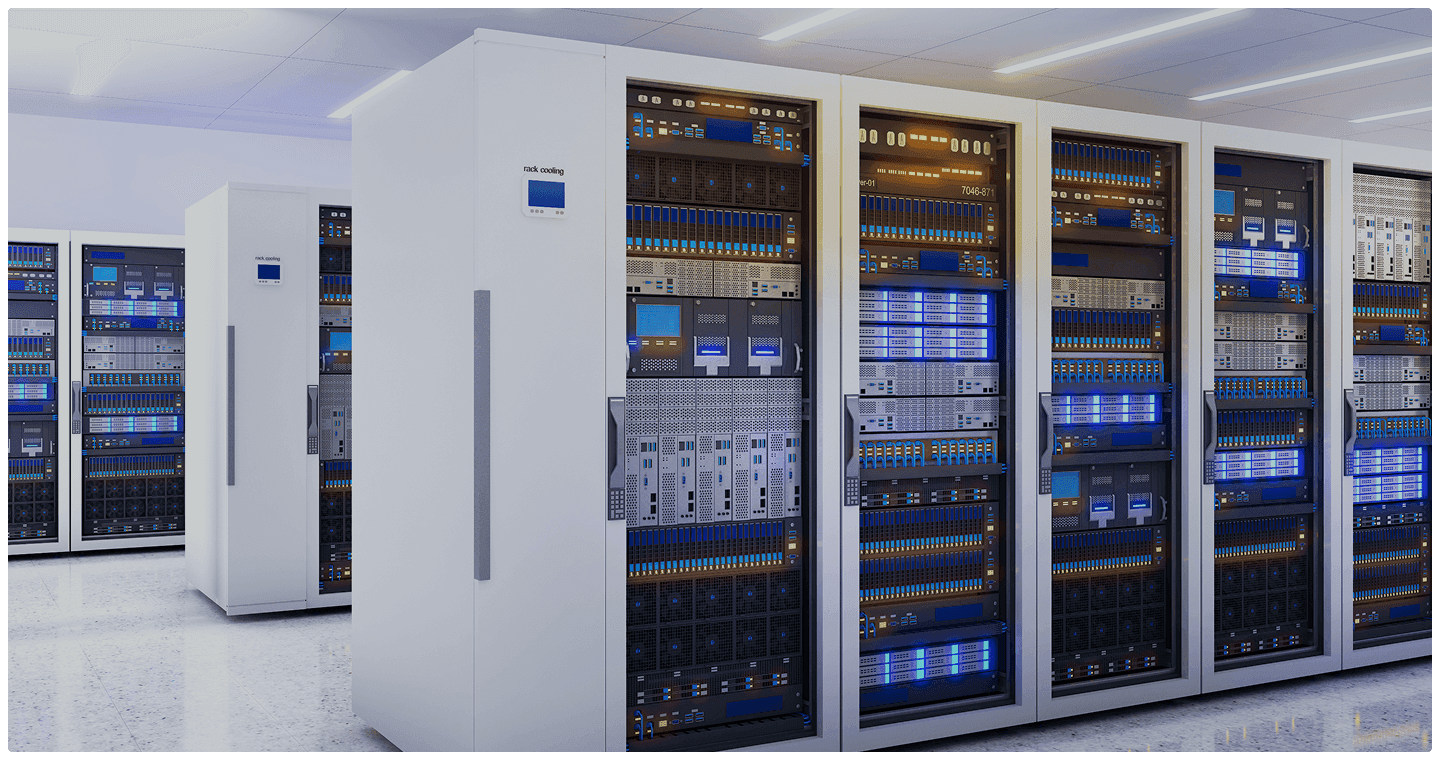
Performance, resilience and efficiency
Cooling decisions in IT environments are rarely driven by a single factor. Operators must consider how thermal performance, availability targets, sustainability goals and regulatory requirements align across the full lifecycle of the facility.
A successful cooling strategy prioritises uptime first, while enabling measurable gains in energy efficiency, water responsibility and operational predictability.
This system-level approach supports compliance, strengthens long-term performance and builds confidence as infrastructure demands continue to evolve.
Our solutions in action
Across data centers, research facilities, and complex urban environments, JAEGGI hybrid and adiabatic cooling systems operate under demanding, real-world conditions. Explore how different cooling approaches are applied in practice to balance performance, efficiency, and site-specific requirements.
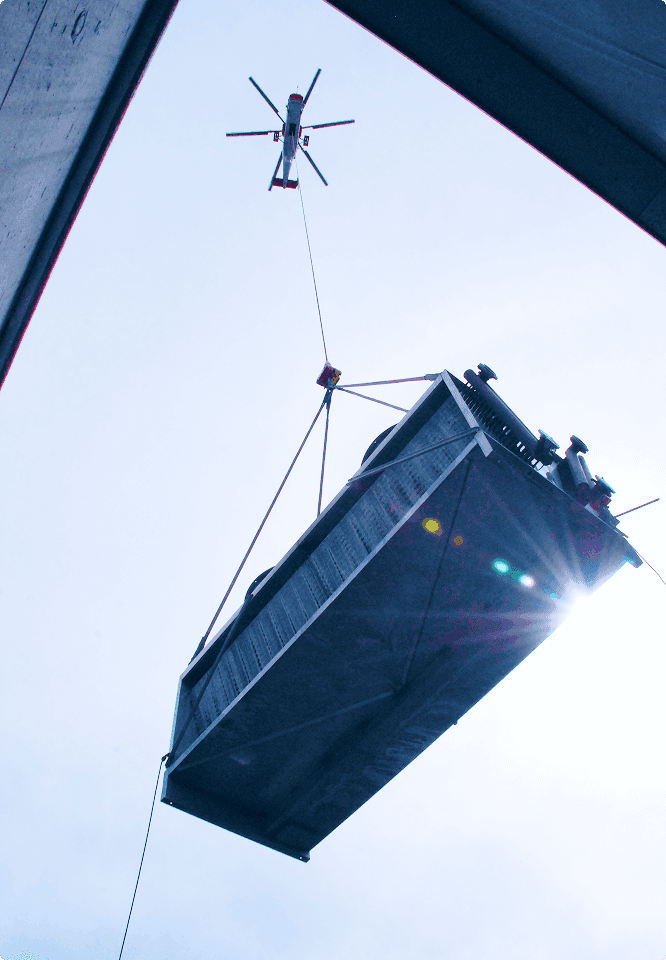
Cooling where space is limited
Many cooling projects are shaped by physical constraints as much as thermal demand. Urban sites, retrofits, and dense infrastructure limit available space, requiring high cooling capacity within compact footprints while meeting planning, noise, and operational requirements.
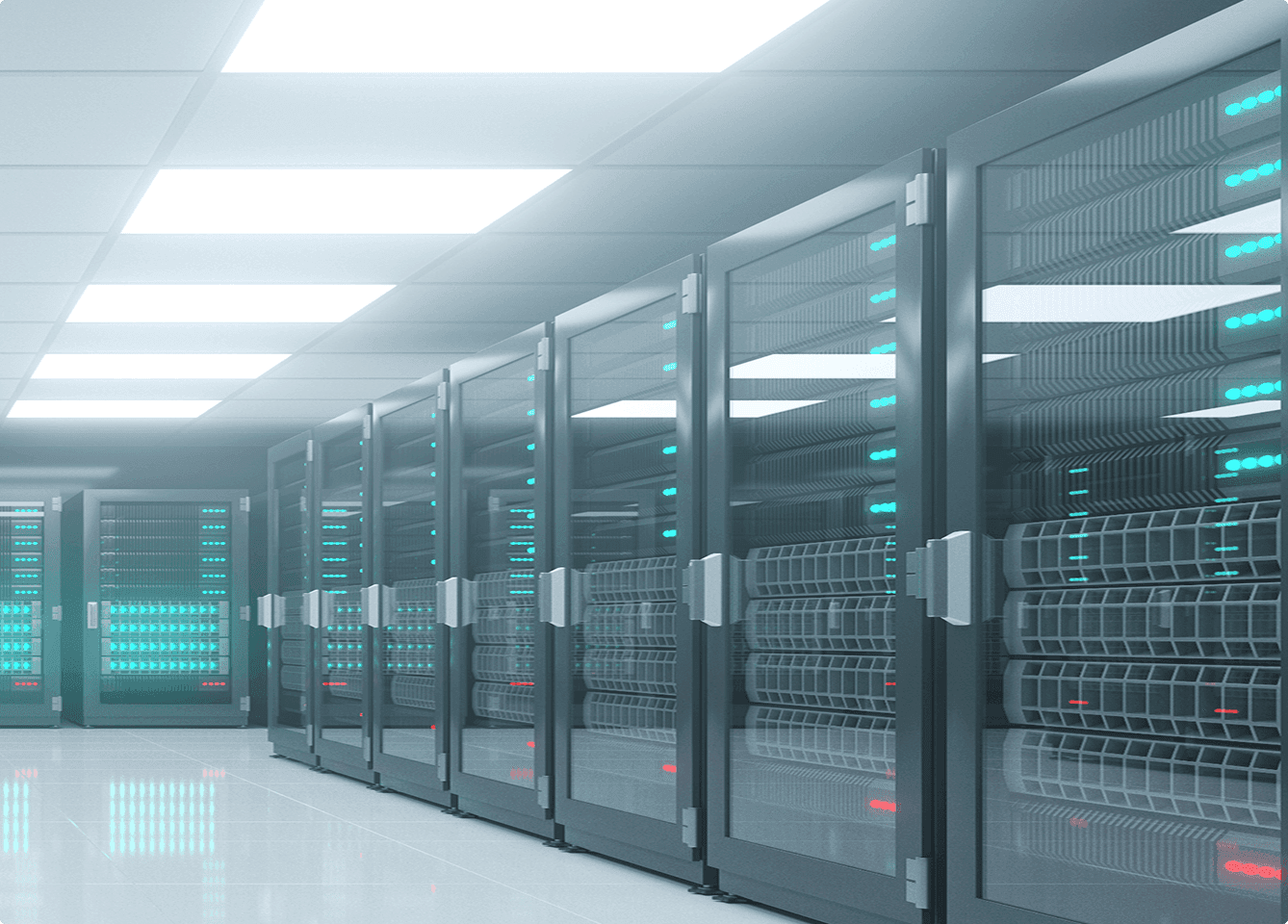
Cooling approaches commonly applied in data centers
Depending on site conditions and operational priorities, data center cooling strategies may prioritize compact footprints, low-noise operation, or efficient water use. Hybrid and water-efficient approaches are often applied, particularly in high-density or urban environments. In practice, many facilities combine multiple approaches to balance footprint, noise, energy, and water performance over time.
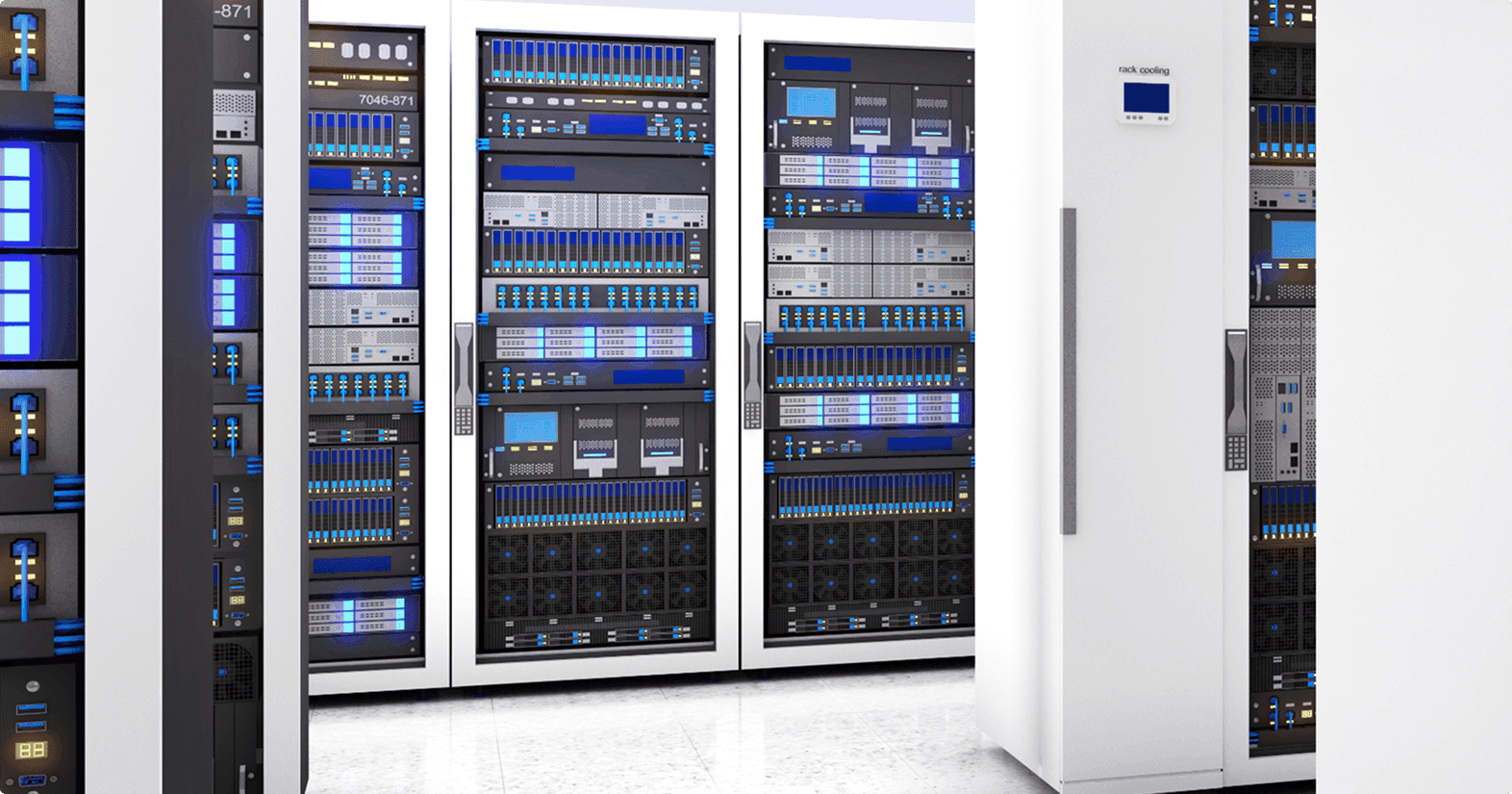
Data center cooling in practice
JAEGGI has supported data center and IT cooling projects where performance, availability and environmental responsibility were equally critical.
These installations demonstrate how carefully defined cooling strategies support reliable operation, resilience planning and long-term efficiency, even within demanding site-specific constraints.
Data centers rarely remain static. Cooling strategies must accommodate increasing rack densities, evolving efficiency targets and future expansion without requiring fundamental redesign.
By considering future operating scenarios early, cooling approaches can be developed that support long-term flexibility while maintaining confidence in day-to-day performance.