Cooling strategies designed to support continuous operation, grid resilience and the transition to more sustainable energy systems.
Energy generation and power infrastructure operate under demanding conditions, where reliability and availability are critical. From conventional power plants to renewable generation and grid-supporting facilities, cooling systems play a vital role in maintaining performance, protecting equipment and ensuring operational continuity.
JAEGGI works with energy providers, developers and engineers to define cooling strategies that align with site conditions, regulatory requirements and long-term sustainability objectives.
Cooling performance underpins the stability of energy systems at every level.
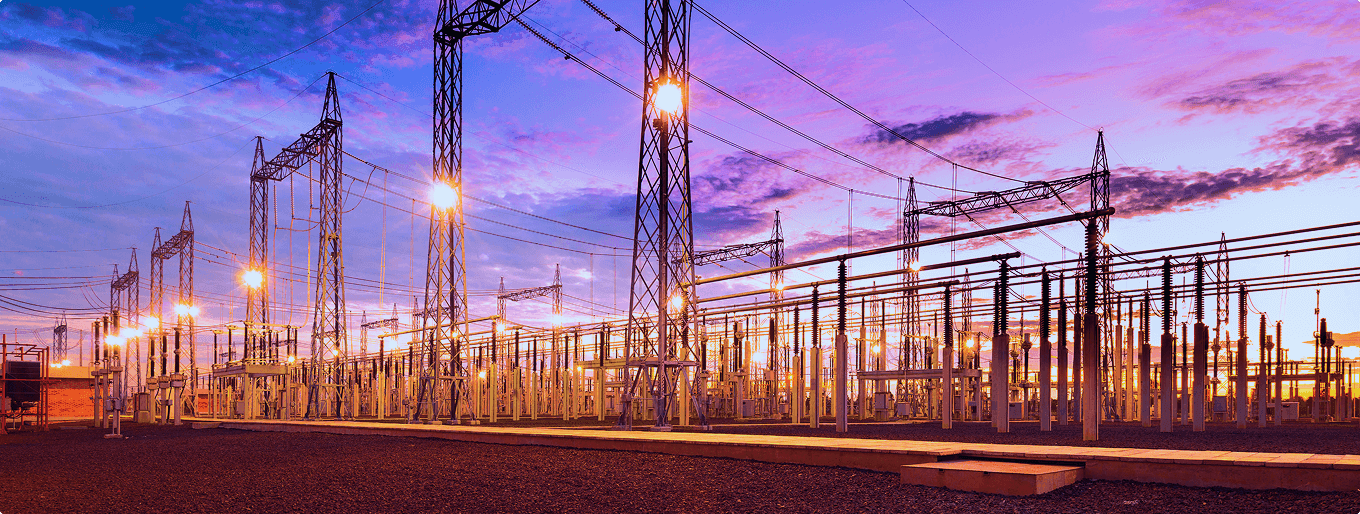
Cooling challenges across energy infrastructure
Energy and power facilities are often exposed to harsh environmental conditions, high thermal loads and continuous operation. Cooling systems must perform reliably in remote locations, extreme climates or space-constrained sites, while supporting critical equipment and processes.
In renewable and grid-supporting applications, additional pressures may include limited water availability, strict environmental regulations and the need to minimise operational impact. Cooling strategies must therefore balance resilience, efficiency and environmental responsibility.
These challenges demand cooling approaches that perform predictably while remaining adaptable to changing environmental and regulatory conditions.
Extreme climates
Continuous operation
Resource constraints
Regulatory & environmental responsibility
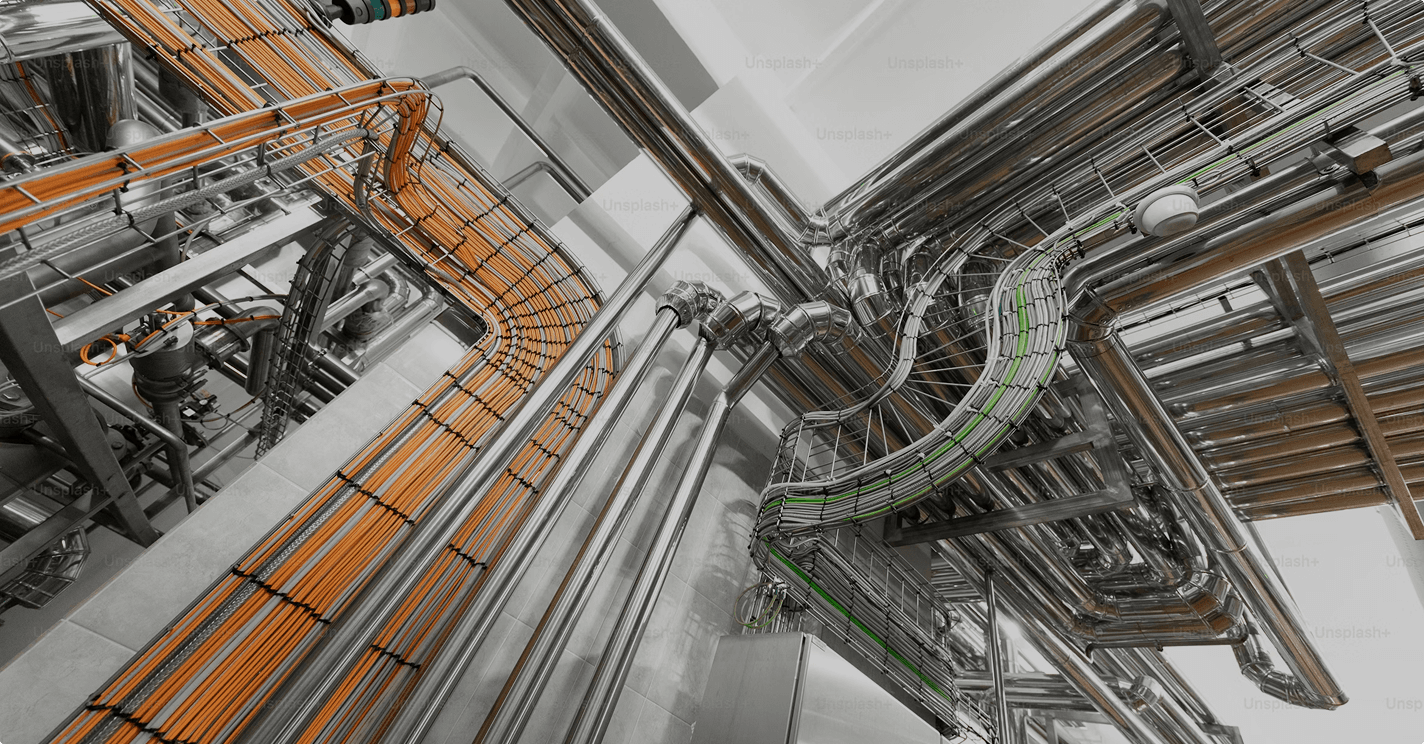
Reliability, efficiency and environmental responsibility
For energy operators, cooling performance is directly linked to uptime, safety and asset protection. Any interruption or instability can have wider implications for power availability, grid stability and operational risk.
At the same time, the sector faces increasing scrutiny around energy efficiency, water use and environmental impact. Cooling strategies must support reliable operation while contributing positively to sustainability goals and regulatory compliance across the lifecycle of the asset.
The most effective cooling strategies address performance and responsibility together, not in isolation.
A cooling strategy aligned to energy systems
JAEGGI supports energy, power and renewable projects by developing cooling strategies that reflect the operational realities of each site.
Rather than starting with equipment selection, our teams consider thermal demand, operating cycles, environmental exposure and future capacity requirements, ensuring cooling decisions are driven by system behaviour, not assumptions.
This approach allows cooling strategies to be shaped around resilience, efficiency and long-term performance, whether supporting conventional generation, renewable assets or grid-related infrastructure.
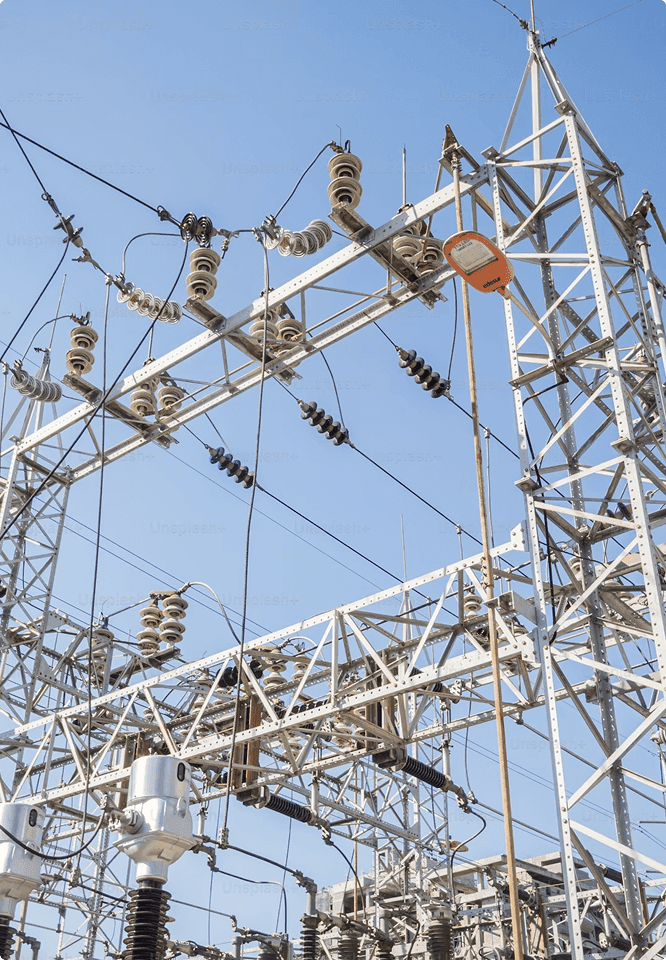
Approaches commonly applied in the energy sector
Cooling strategies in the energy sector often prioritise robustness, adaptability and responsible resource use. Depending on the application, this may involve compact installations, low-noise operation, reduced reliance on water or the ability to operate efficiently under variable loads.
In practice, many energy facilities combine multiple approaches to manage environmental exposure, operational variability and long-term performance requirements.
Choosing the right strategy depends on understanding how site constraints, environmental factors and operational priorities interact over time.
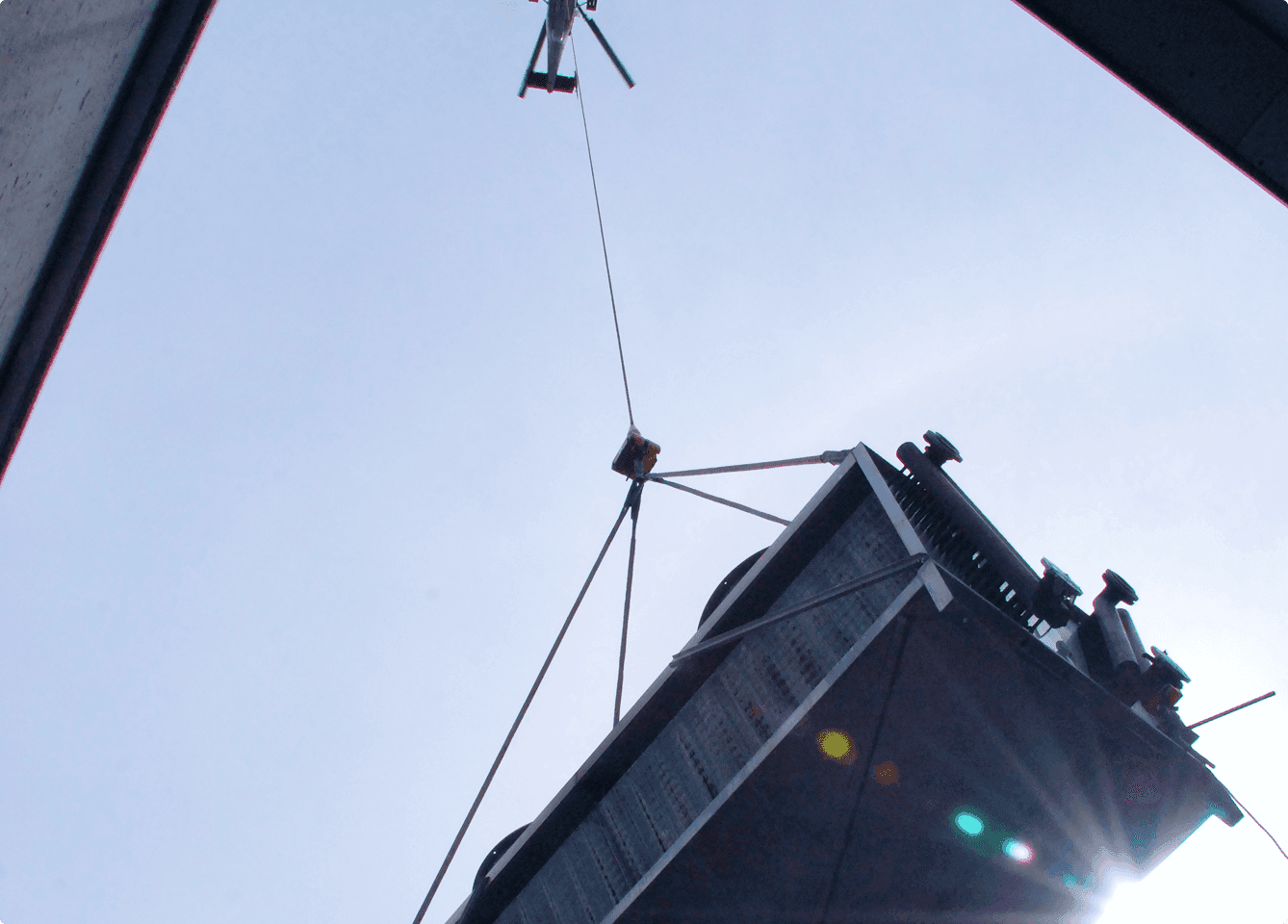
Energy cooling in practice
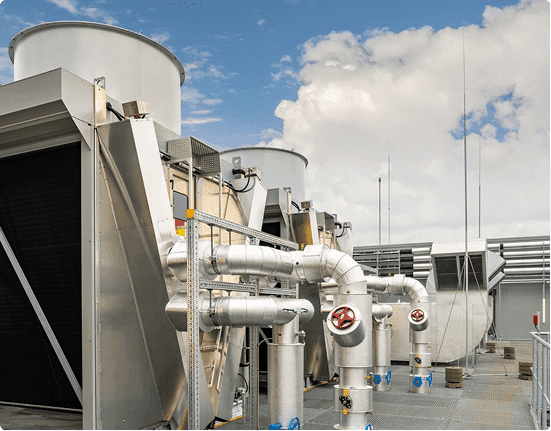
JAEGGI has supported cooling projects across power generation, renewable energy and grid-supporting facilities, where reliability and environmental considerations were equally critical.
These projects demonstrate how carefully defined cooling strategies support stable operation, regulatory compliance and long-term asset protection, even in demanding operating environments.
Cooling for long-term infrastructure performance
As energy systems evolve, cooling strategies must adapt to changing demands, new technologies and tighter environmental expectations. Cooling solutions must support flexibility, scalability and long-term resilience without compromising availability.
By considering future operating scenarios early, cooling strategies can be developed that continue to support critical energy infrastructure throughout its lifecycle.