Adiabatic Coolers
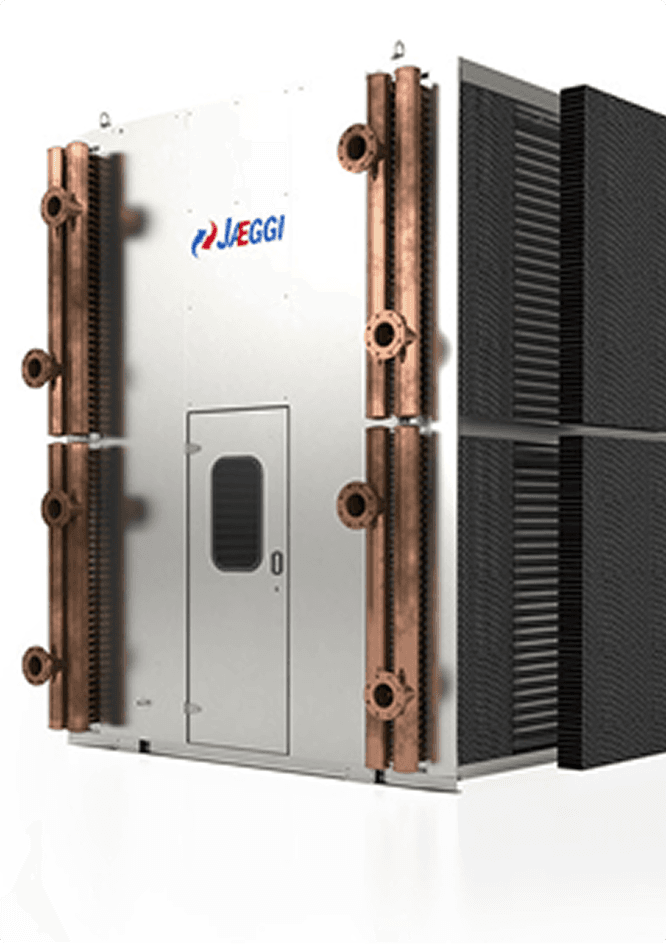
Adiabatic dry coolers are designed for systems that operate predominantly in dry mode, with temporary air pre-cooling applied only when ambient temperatures limit dry cooling performance. This approach enhances heat rejection during defined peak conditions by reducing the temperature of incoming air ahead of the heat exchanger, without wetting the coil or introducing continuous water use. The result is predictable performance, controlled water consumption, and stable operation across a wide range of climates.
What are Adiabatic Coolers?
Adiabatic dry coolers use evaporative air pre-cooling to support dry heat rejection during periods of high ambient temperature. Water is applied upstream of the heat exchanger to reduce inlet air temperature before it reaches the coil. Under normal operating conditions, the system functions as a fully dry cooler. Adiabatic pre-cooling is activated only when required to maintain defined system limits, allowing engineers to extend dry cooling capacity while keeping water use limited, controlled, and predictable.
Designed for performance and efficiency
JAEGGI adiabatic dry coolers are engineered for applications where efficiency, hygiene, and operational simplicity must be maintained alongside reliable peak performance support.
How Adiabatic Dry Coolers operate
During standard ambient conditions, heat is rejected through the heat exchanger in fully dry mode, with no water consumption. As ambient temperatures rise, a controlled adiabatic stage may be activated ahead of the heat exchanger. This pre-conditions the incoming air stream, increasing its heat absorption capacity before it reaches the coil. The heat exchanger itself remains dry at all times. Water is used only to condition the air, only during defined peak conditions, and only where it delivers measurable thermal benefit. This ensures water use remains limited, predictable, and decoupled from the heat transfer surface.
Where Adiabatic Coolers are used
Adiabatic dry coolers are applied where systems run predominantly in dry mode but require temporary performance support during high ambient temperatures, rather than continuous or integrated water-based cooling. They are well suited to applications where balancing performance, water responsibility, and operational predictability is critical.
Water availability is constrained
Predictable, limited water use is required
Hygiene, simplicity and dry operation are priorities
Typical applications include
Final suitability depends on operating profile, climate, and system design, with adiabatic support applied only where it delivers defined performance value.
Data centers and technical facilities
Industrial process cooling
Energy and power infrastructure
Commercial and large-scale HVAC systems
Designed for system integration
JAEGGI adiabatic dry coolers integrate into cooling systems designed around dry heat rejection, with adiabatic support incorporated as a controlled enhancement rather than a core operating mode. Control strategy, ambient conditions, operating profile, and water management are addressed during system design to ensure reliable and efficient operation. JAEGGI engineering teams support integration from early planning through commissioning, helping ensure adiabatic operation is applied appropriately within the wider system.
Technical information and product support
Technical documentation supports accurate selection and specification of JAEGGI adiabatic dry coolers, including performance data, dimensional drawings, and system guidance.
Engineering support is available throughout the project lifecycle, from early design through commissioning and long-term operation.
Our solutions in action
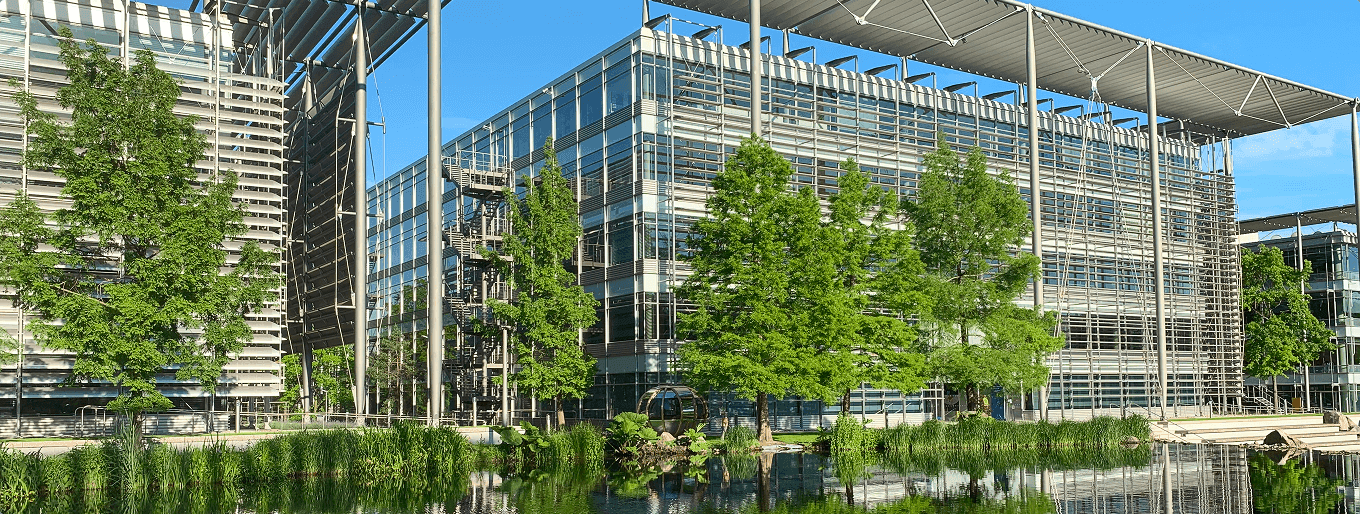
Across research institutes and large data centers, our hybrid and adiabatic systems operate in some of the world’s most demanding environments. Explore real projects and the challenges they solved.
Designed for system integration
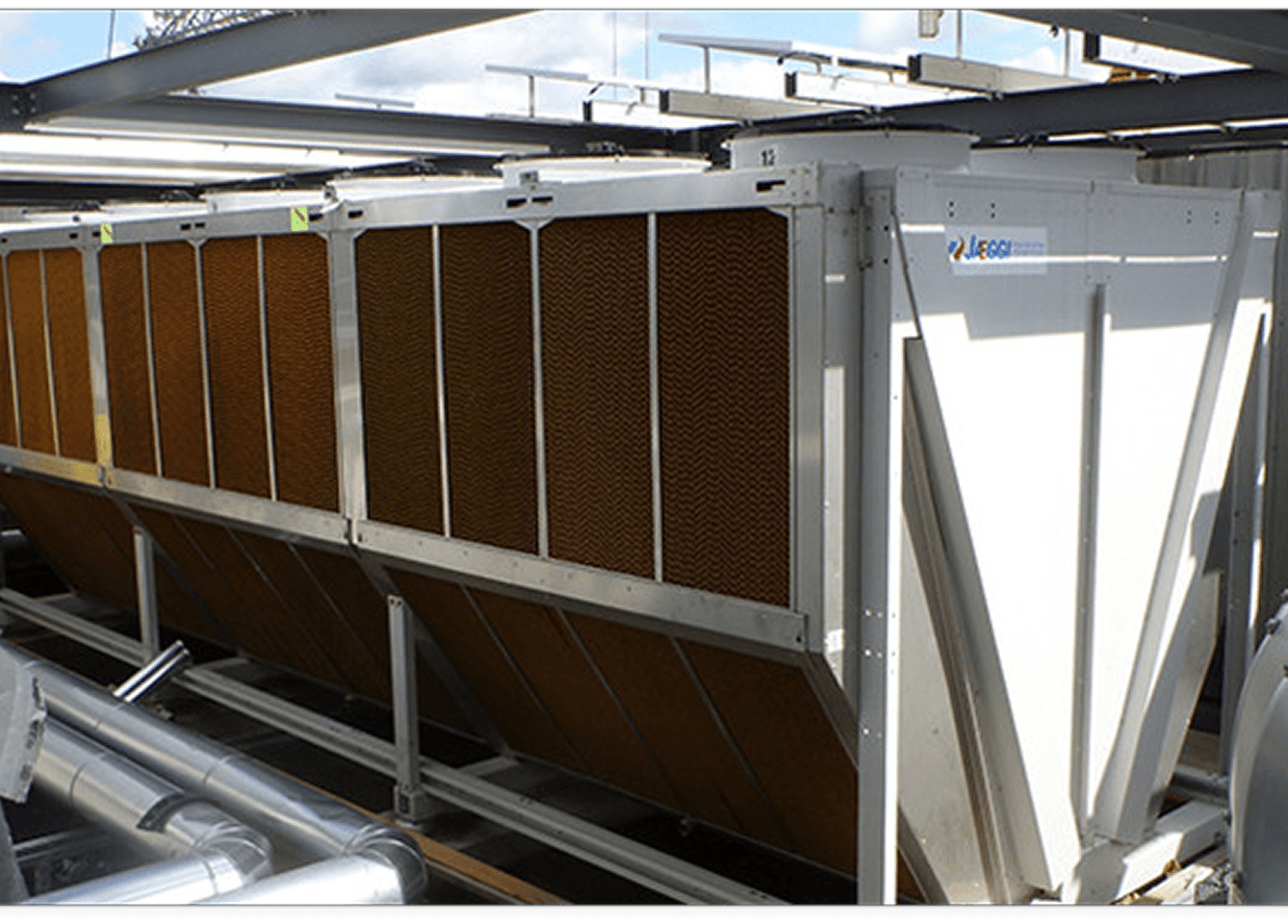
Adiabatic dry coolers are deployed in installations where dry cooling forms the baseline, with adiabatic support used to maintain performance during high ambient conditions.
These applications demonstrate stable thermal behavior, controlled water use, and reliable operation under real-world operating environments.
Specify the Adiabatic series for your project
Correct specification ensures adiabatic cooling is applied where it adds value, and avoided where it does not.
JAEGGI’s engineering team supports product selection, integration considerations and application-specific requirements to help ensure reliable, efficient system performance.