Cooling strategies designed to support continuous operation, process stability and demanding industrial environments.
Industrial processes depend on stable, reliable cooling to maintain quality, safety and productivity. Cooling systems must perform consistently under varying loads and operating conditions, supporting manufacturing lines, chemical processes, energy-intensive production and specialist industrial applications.
JAEGGI works with engineers, operators and system designers to define cooling strategies aligned with process requirements, site constraints and long-term operational goals.
Cooling stability is fundamental to process reliability and product quality.
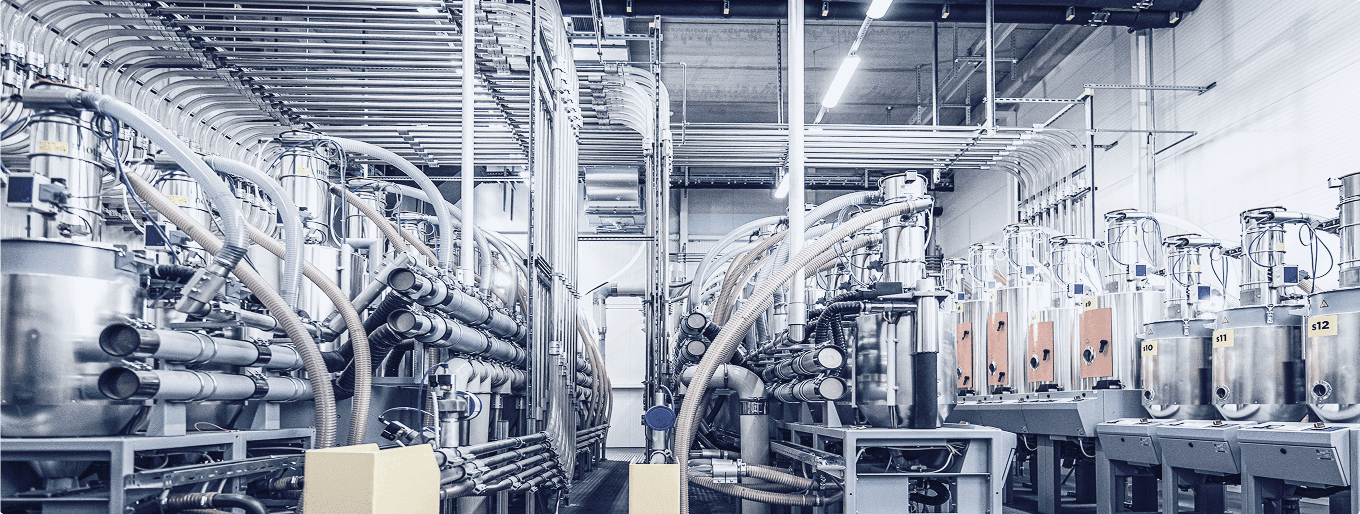
Cooling challenges in industrial processes
Industrial cooling environments are often complex and highly variable. Processes may operate continuously, cycle through different load profiles or be exposed to harsh ambient conditions. Cooling systems must respond to these changes without disrupting production or introducing instability.
Many industrial sites also face physical constraints, noise considerations, energy efficiency targets or limits on water availability. Cooling strategies must account for these factors while maintaining dependable performance across the full operating lifecycle.
These challenges require cooling approaches that remain robust under change, not just optimized for steady-state operation.
Fluctuating loads
Harsh environments
Resource limitations
Lifecycle reliability
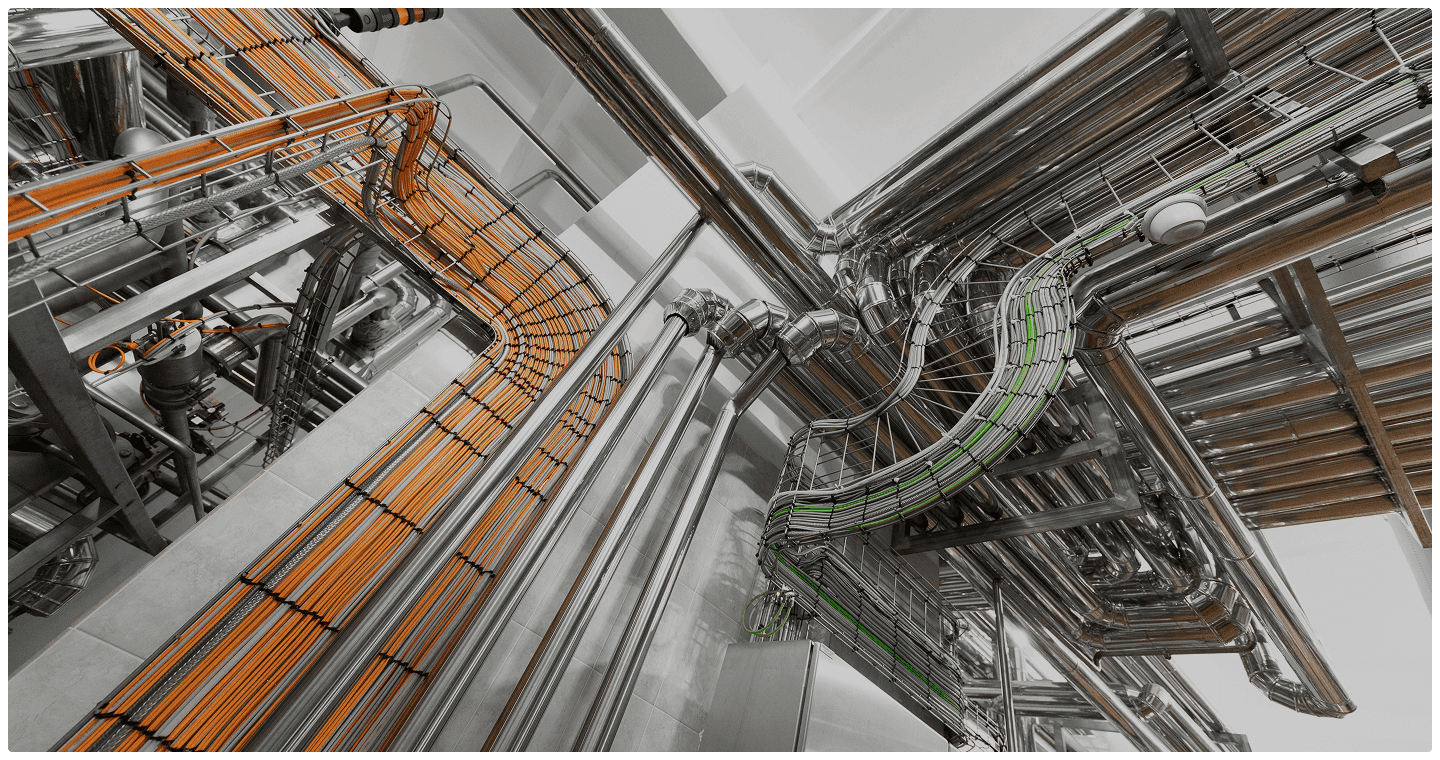
Reliability, efficiency and process control
Cooling performance is closely linked to product quality, safety and process integrity. Any deviation in temperature control can affect output consistency, regulatory compliance or operational risk.
At the same time, operators face increasing pressure to reduce energy consumption, manage water use responsibly and control operating costs. Cooling strategies must therefore support process stability first, while enabling measurable improvements in efficiency and sustainability over time.
Effective process cooling balances control, continuity and responsibility.
An application-focused cooling approach
JAEGGI supports industrial process cooling by understanding how cooling interacts with the wider production environment.
Rather than treating cooling as a standalone utility, our teams assess process demands, operating cycles and site-specific constraints before defining an appropriate cooling strategy, ensuring decisions are driven by production realities, not assumptions.
This approach allows cooling solutions to align with process criticality, available space, acoustic sensitivity and environmental objectives, supporting both current operations and future change.
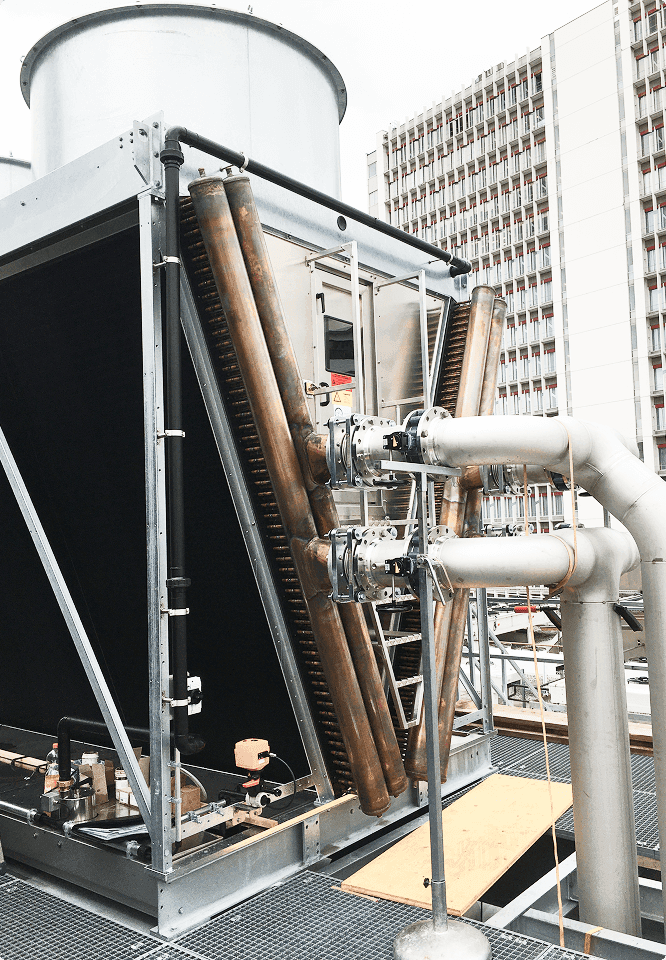
Approaches commonly applied in industry
Industrial process cooling strategies often prioritise robustness, adaptability and efficient operation across a wide range of conditions. Depending on the application, cooling approaches may focus on compact installation, low-noise operation or reduced reliance on water.
In practice, many industrial facilities apply a combination of approaches to manage variable loads, environmental exposure and sustainability objectives over time.
Selecting the right strategy depends on understanding how process demands, site constraints and performance goals interact across the lifecycle of the operation.
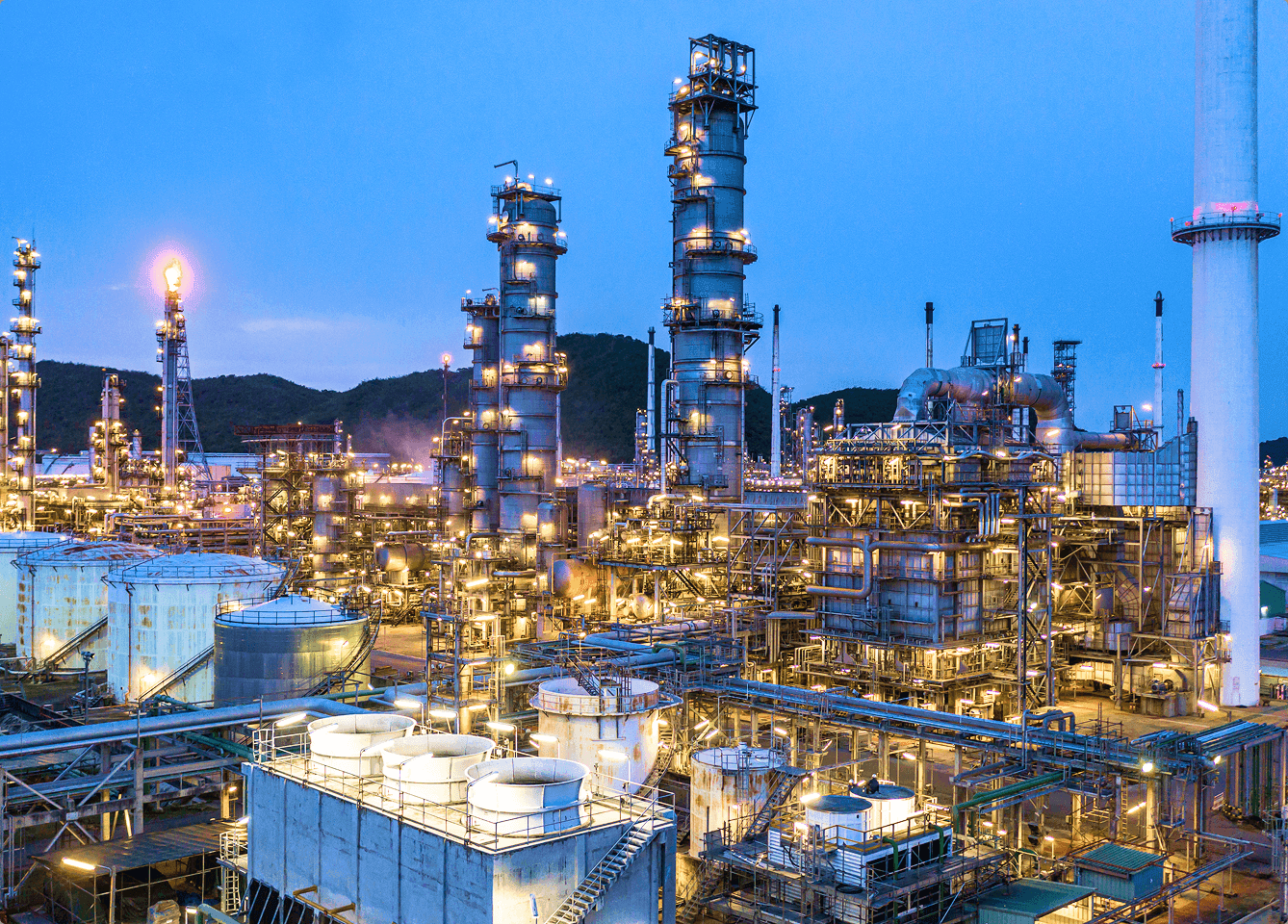
Industrial cooling in practice
JAEGGI has supported industrial cooling projects where process reliability and operational continuity were critical.
These installations demonstrate how carefully defined cooling strategies support stable production, compliance and long-term efficiency, even within demanding operating conditions.
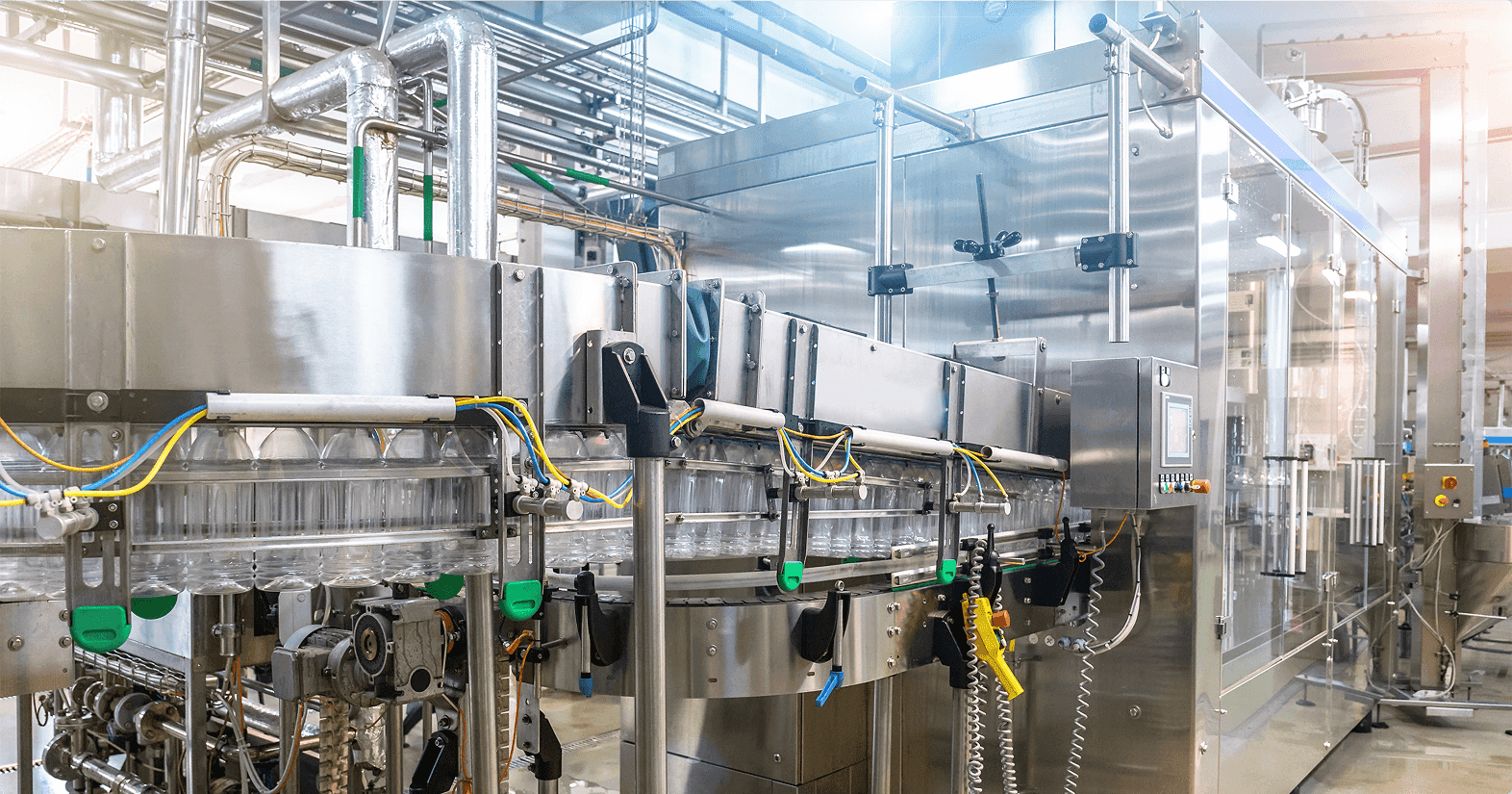
Cooling that adapts with your process
Industrial processes evolve over time. Changes in production volume, product mix or regulatory requirements can all affect cooling demands.
Cooling strategies must therefore allow for flexibility and scalability without disrupting ongoing operations or compromising process control.
By considering future operating scenarios early, cooling approaches can be developed that continue to support process stability while accommodating change.