An engineering approach for environments where acoustic limits, proximity and planning constraints are as critical as thermal performance.
Noise is often one of the most restrictive factors in cooling system design. Facilities located near residential areas, public spaces or sensitive environments must comply with strict acoustic limits without compromising cooling performance or operational reliability.
Low-noise cooling solutions are developed by understanding site-specific acoustic constraints first, then engineering a cooling approach that balances sound reduction, efficiency and long-term operation.
Acoustic performance must be engineered into the system, not added afterwards.
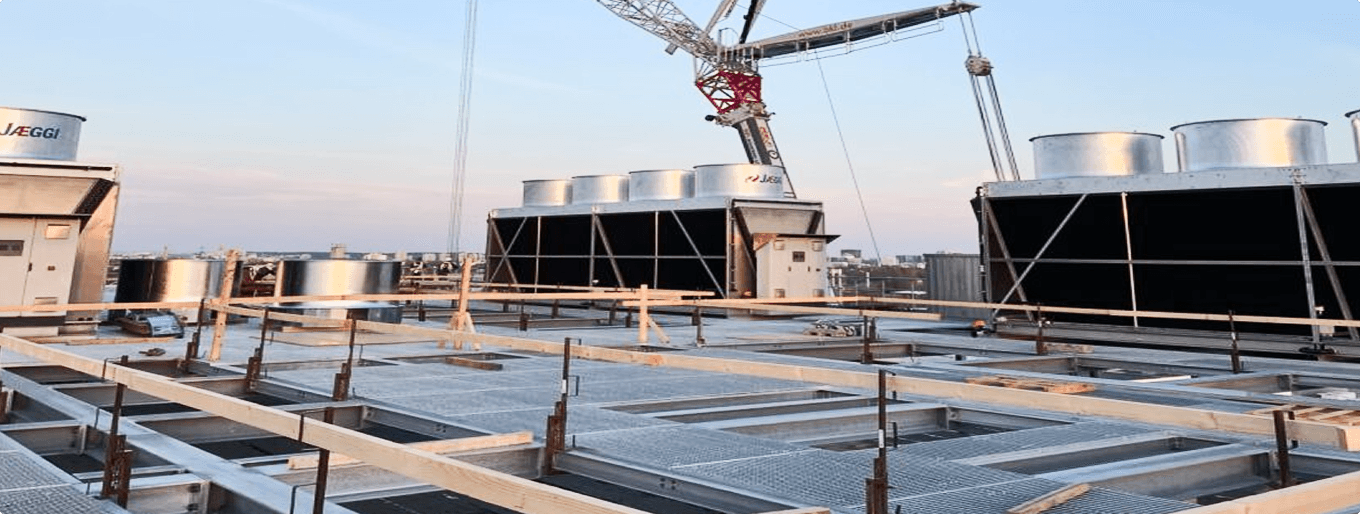
Cooling in noise-sensitive environments
Many modern cooling projects are defined as much by physical and regulatory constraints as by thermal load alone. Urban locations, retrofit installations and dense infrastructure often leave limited space for traditional cooling layouts.
In these environments, engineers must deliver sufficient cooling capacity within restricted footprints while meeting planning, noise and operational requirements. Increasing performance without increasing noise or physical size becomes the central challenge.
The complexity of acoustic constraints
Reducing noise is not simply a matter of lowering fan speed or adding attenuation. Acoustic performance is influenced by operating conditions, ambient temperature, load variation and site layout.
Without a considered engineering approach, attempts to reduce noise can result in reduced cooling capacity, increased energy consumption or unstable operation, particularly during peak demand or night-time operation when acoustic limits are most stringent.
Effective low-noise cooling requires an understanding of how sound behavior changes across real operating scenarios.
Engineering for acoustic performance
Low-noise cooling solutions are achieved by addressing acoustic performance as an integral part of system design, rather than as a secondary constraint.
By considering sound behaviour early, engineers can balance cooling output, efficiency and compliance across the full operating range of the system.
A structured engineering approach enables:



Typical applications
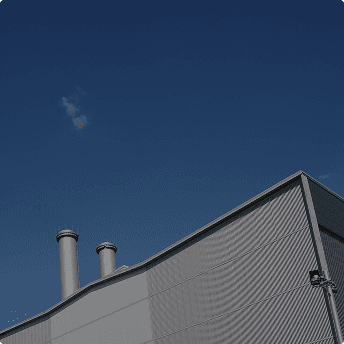
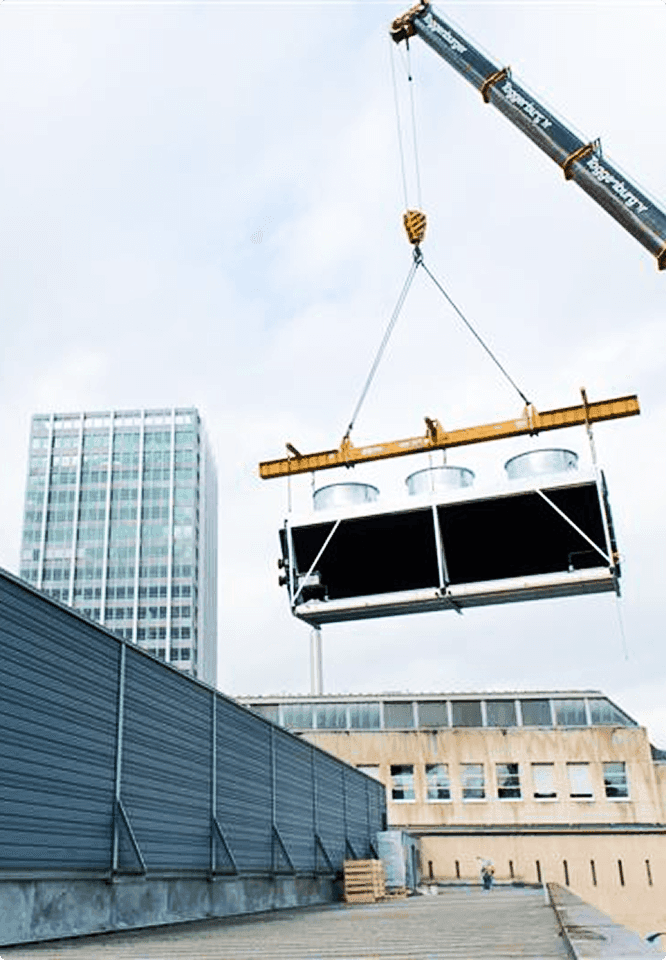
Low-noise cooling solutions are commonly required in environments such as hospitals, research facilities, airports, urban data centres and sites adjacent to residential or commercial developments.
In these settings, acoustic performance must remain consistent throughout the operating lifecycle, including during peak demand, night-time operation and extreme weather conditions.
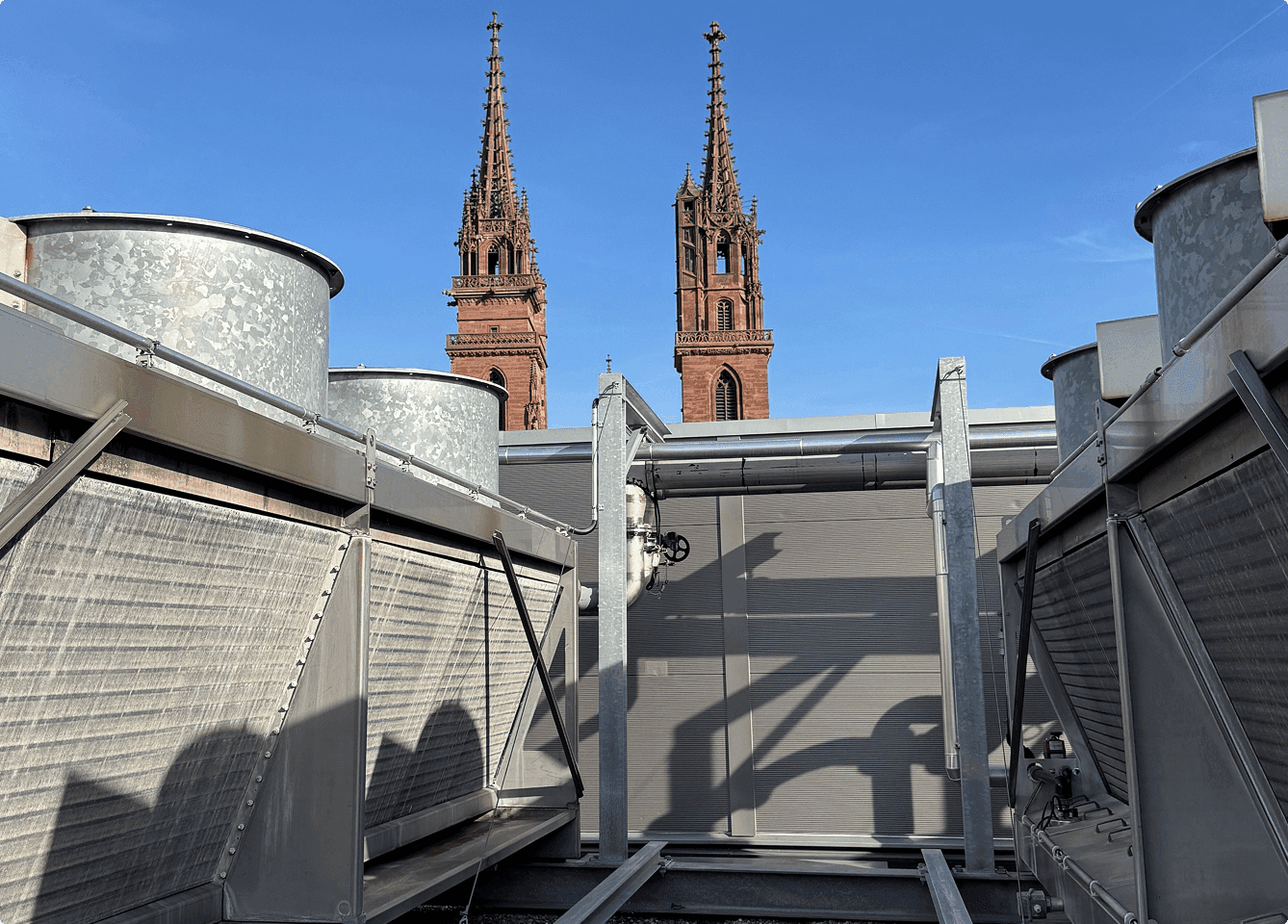
Low-noise cooling in practice
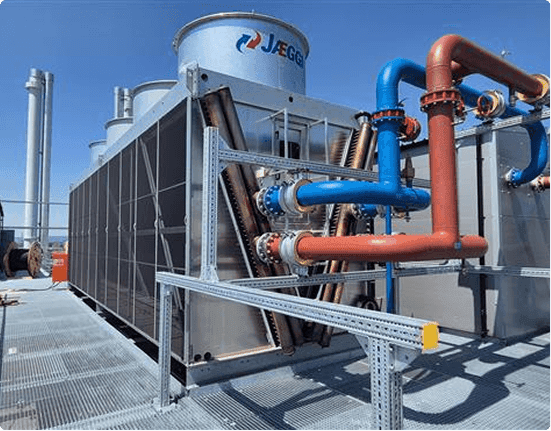
JAEGGI has delivered low-noise cooling solutions for projects where acoustic compliance was a critical success factor.
These installations demonstrate how careful engineering enables reliable cooling performance while meeting demanding sound limits across real-world operating conditions.
A consultancy-led acoustic design process
Every low-noise cooling solution begins with understanding the site context. JAEGGI’s engineers assess acoustic limits, surrounding environments and operating profiles before defining a cooling approach aligned with both performance and compliance requirements.
By addressing noise early in the design process, compromise is avoided later, ensuring reliable operation without unexpected acoustic challenges during commissioning or operation.