As operational requirements evolve, cooling systems must adapt. Increasing loads, higher efficiency targets, water constraints and new sustainability expectations can place existing assets under pressure.
JAEGGI’s retrofit and modernization services help customers upgrade and adapt installed cooling systems, improving performance, resilience and efficiency while maximizing the value of existing infrastructure.
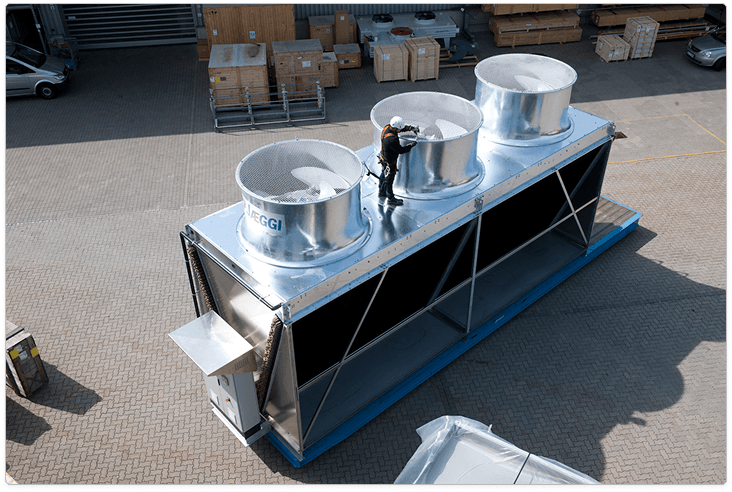
Performance upgrades & system enhancements
Targeted upgrades can deliver significant improvements without the disruption of a full replacement.
JAEGGI evaluates existing installations to identify where upgrades can enhance thermal performance, reduce resource consumption or improve operational stability. Solutions are engineered to integrate with existing assets while minimizing downtime.
Typical upgrade areas include:
Heat exchanger and coil enhancements
Fan, motor and drive upgrades
Control and monitoring improvements
Adiabatic system optimization
Noise reduction measures
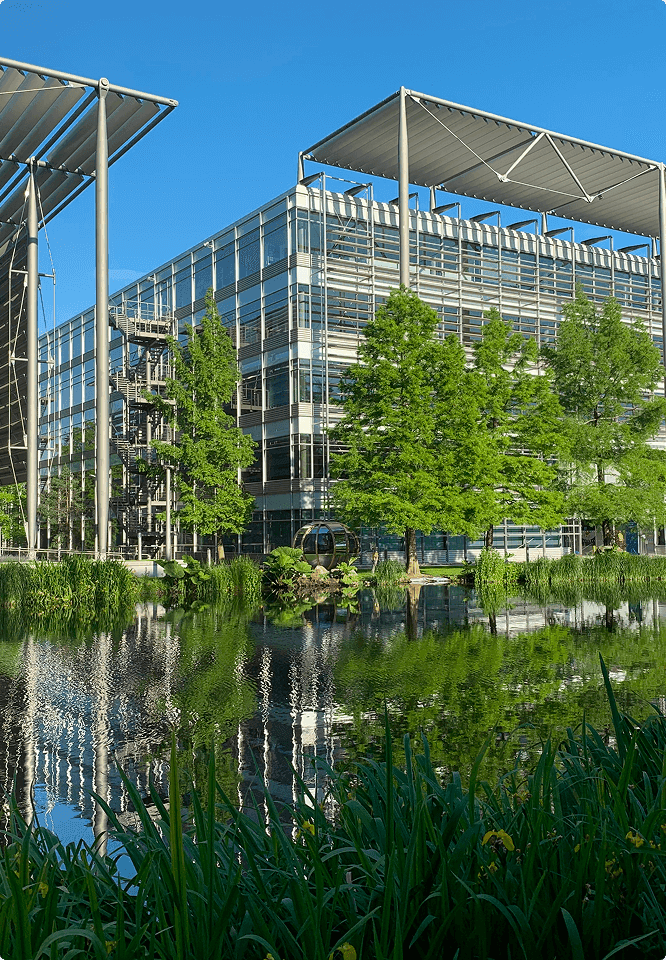
Sustainability & compliance improvements
Regulatory pressure and sustainability goals continue to increase across industrial and mission-critical sectors.
Retrofit projects can support reductions in energy and water use, improve environmental performance and help align systems with internal or external sustainability commitments, without starting from scratch.
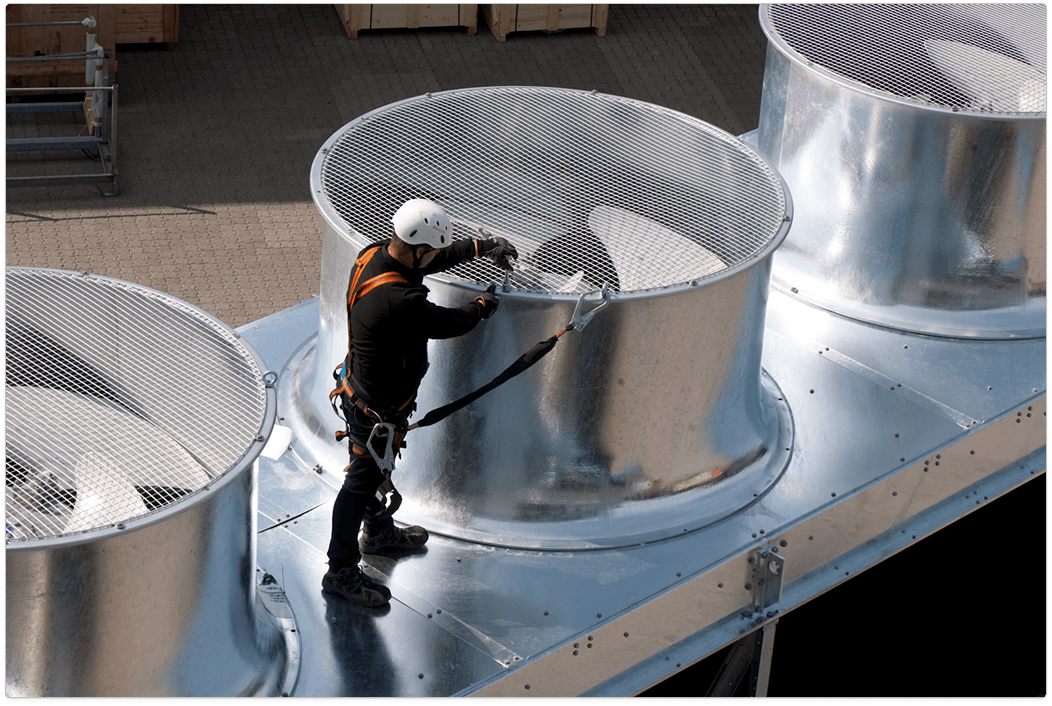
Engineering-led, system-specific approach
Every retrofit project begins with understanding the existing system.
JAEGGI’s engineers assess operational data, site constraints and performance requirements before defining a clear, practical upgrade path. The result is a solution that improves performance while respecting real-world conditions and project constraints.